I've been treating Marvel Rivals like a second job since December 2024, so the idea that it almost never came out makes me feel like I narrowly avoided a very weird alternate timeline. Bloomberg reported that NetEase CEO William Ding nearly pulled the plug on Marvel Rivals before launch, largely because he did not want to pay Disney for the Marvel characters. That success now feels like a champagne tower built on a wobbly card table: gorgeous, celebratory, and one awkward nudge from collapse. In 2026, with the game still pulling huge numbers, I need a minute to process how close we came to missing all of this.
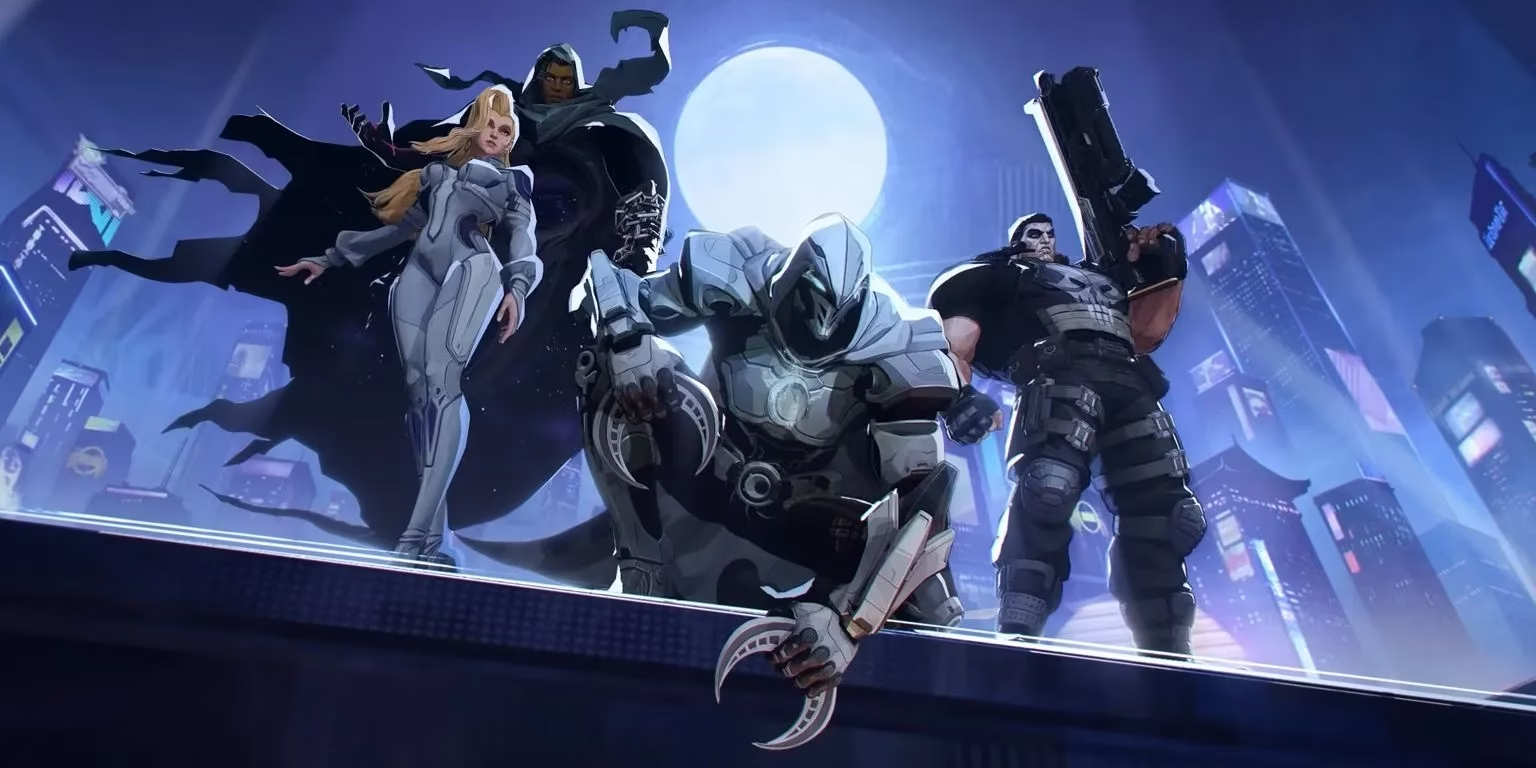
The License Fee Was a Gold-Plated Anchor
Ding apparently saw the Disney royalty as a gold-plated anchor: valuable on paper, but something he thought would drag the project down. According to Bloomberg, he tried to convince the designers to create original characters instead, which would have turned Marvel Rivals into a completely different game. Maybe that alternate game could have been decent, but it would not have been the game that made me yell at a teleporting Magik main at one in the morning. A NetEase spokesperson denied the report, but that denial does not make the mental image any less cursed.
A Workplace That Sounds Like a No-Respawn Raid
Bloomberg's report also painted a demanding picture. Ding reportedly 'frequently changes his mind' on major decisions like these. Some employees in China said they were working until 9:00 PM, breaks included but still exhausting. Then came the Seattle studio layoffs, which reportedly left the director and lead designer of Marvel Rivals out of a job. NetEase described the decision as being made for 'organizational reasons.' That layoff news hit like a surprise ultimate after the victory screen: you win the match, you top the charts, and then the post-game lobby tells you some of the people who built the thing are gone.
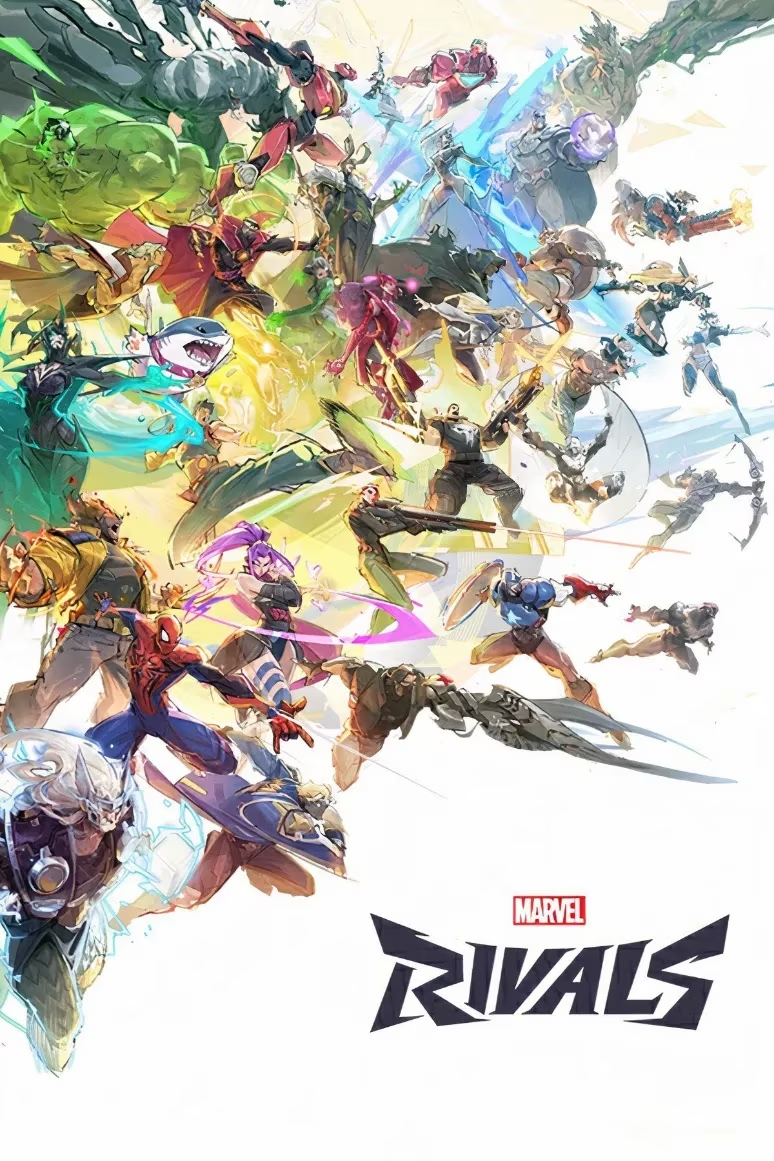
Why This Makes My Brain Itch in 2026
You expect chaos from a flop, not from a game that spent multiple consecutive weeks near the top of Steam's most-played charts. Marvel Rivals entered an oversaturated market and still grabbed players with rapid content updates, new maps, and new characters. In 2026, it remains one of those live-service games people love to complain about while still queueing for another round. The report card still looks strong:
| Fact | Detail |
|---|---|
| Released | December 6, 2024 |
| OpenCritic Top Critic Avg | 78/100 |
| Critics Recommend | 84% |
| ESRB | T for Teen // Violence |
| Engine | Unreal Engine 5 |
| Cross-Platform Play | Limited console crossplay, no PC crossplay |
The contrast is what really sticks with me. On one side, players are grinding ranked, unlocking skins, and treating the game like a permanent fixture. On the other side, the people who helped create that fixture were reportedly dealing with last-minute changes, license anxiety, and eventual layoffs.
The Post-Credits Scene Nobody Wanted
I do not know the full internal truth. Maybe the layoffs were purely organizational. Maybe Ding never truly came close to canceling Marvel Rivals. But the story is still wild: a game that could have been stripped of its Marvel identity ended up becoming one of the biggest live-service success stories of the last few years. Now some of the developers behind that success are no longer at the studio. It is like watching a superhero movie where the hero wins the final fight and then gets benched in the post-credits scene.
I will keep playing Marvel Rivals in 2026, but I will also remember that behind every six-stack wipe and overtime victory is a team whose job security was apparently more fragile than my solo queue rank. The next time I load into a match, I will appreciate that this particular game was not canceled into obscurity.