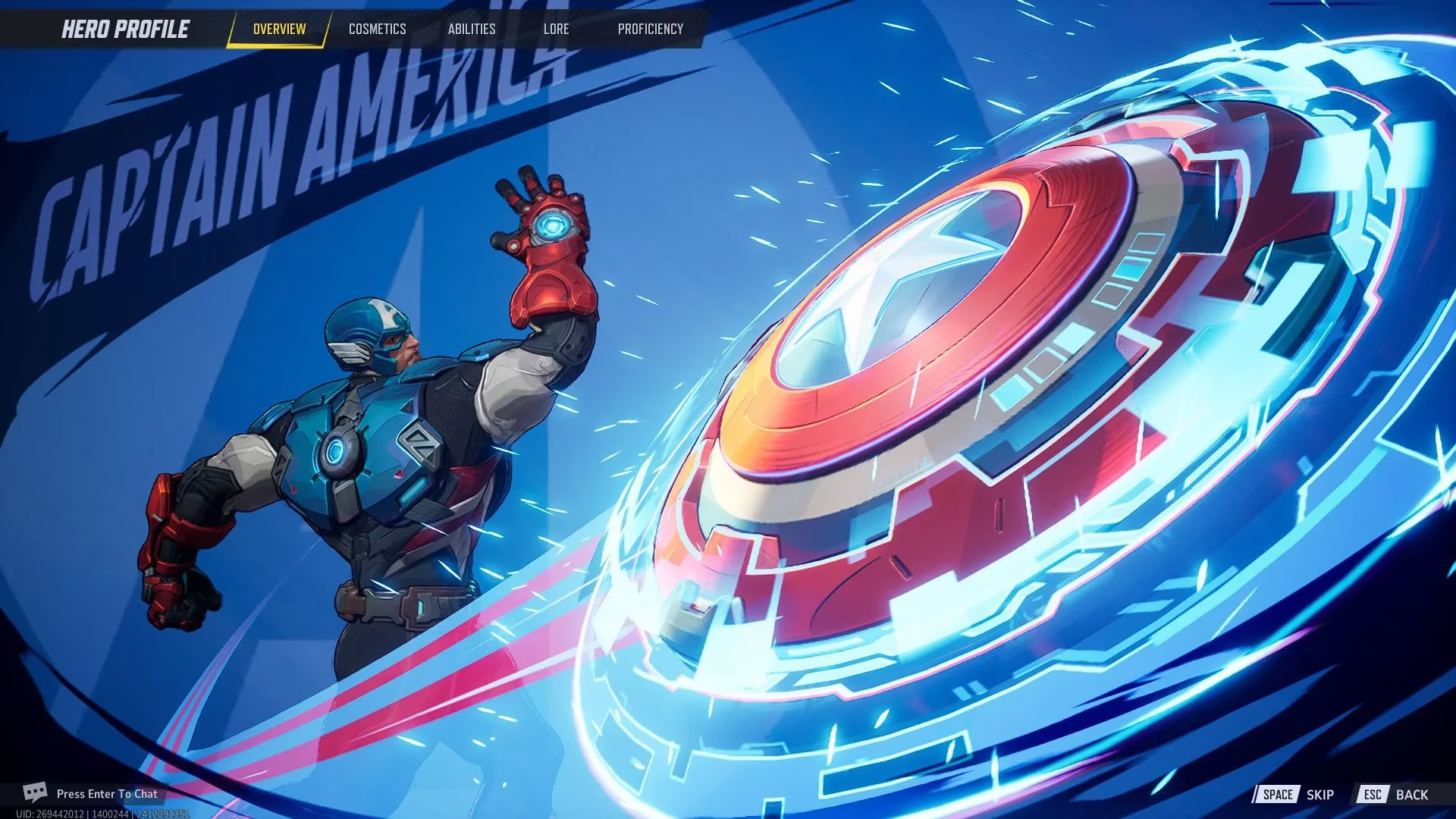
The moment Captain America's ultimate ability flares in Marvel Rivals, a blue-white ring of energy snaps around his shield and the hero charges forward. For most players, that is a split-second cue to dodge. For PropWay, a YouTuber known for turning game props into real objects, it was a challenge worth accepting. In late 2024, PropWay began sharing a work-in-progress replica of Captain America's shield as it appears in Marvel Rivals. By January 2025, a little more than a month after the first update on December 16, 2024, the build was complete. The result was not a simple painted disc. It was a layered, textured, glowing piece of hero-shooter fan craft, and it quickly became one of the clearest examples of how Marvel Rivals had escaped the screen and entered the workshop.
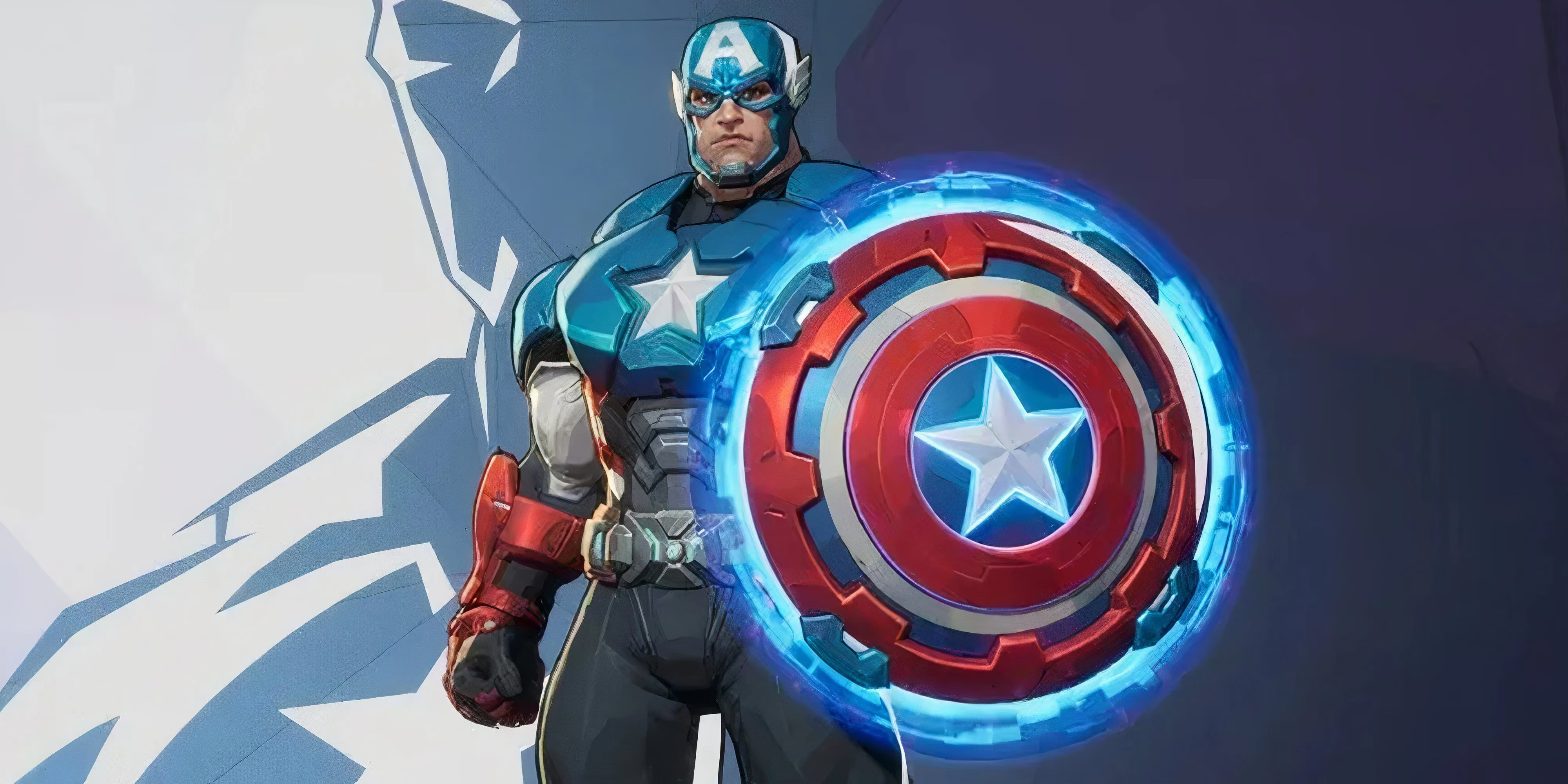
Marvel Rivals had been hitting the right notes for several reasons. It was free, it was fun, and its roster was packed with famous characters. The comic-book-inspired designs gave familiar heroes sharp new silhouettes, and players responded. Cosplayers, prop makers, and 3D artists began pulling elements from the game into the real world. Captain America's shield was an obvious target. It is iconic, readable from across a room, and tied to one of the game's most memorable ultimate calls. When Cap yells 'Assemble!' and slams into the enemy team, the shield becomes more than equipment. It becomes a moment.
PropWay's version differed from the MCU shield in important ways. The film version is a clean circle of red, white, and blue rings around a central star. The Marvel Rivals version is busier. It has layers, surface texture, and a blue glow around its edge. That glow was the hard part. Two weeks before the finished reveal, PropWay shared an update showing LEDs added to the shield's rim. Followers had suggested that clear plastic around the edge might help sell the look of glowing blue energy. The idea worked. The shield no longer looked like a prop sitting under a light. It looked like it was charged.
A Build That Told a Story
The project unfolded like a short workshop drama. First came the shape, then the surface work, then the lighting problem that turned a good replica into a memorable one. PropWay did not simply copy the shield's outline. The maker studied how the Rivals design reads in motion: the rim catches the eye, the center star anchors the silhouette, and the blue energy gives the object a sense of speed. The finished shield carried that same visual language. It looked ready to be thrown, even while sitting still.
| Detail | MCU Shield | Marvel Rivals Shield |
|---|---|---|
| Surface | Smooth concentric rings | Layered, textured panels |
| Edge | Painted metal look | Glowing blue energy rim |
| Build challenge | Shaping and paint | Lighting, diffusion, clear housing |
| Fan appeal | Classic icon | Game-specific spectacle |
Why Makers Kept Returning to Marvel Rivals
🛡️ The shield was only one project. The game gave creators a steady supply of ideas.
-
🎮 Free-to-play access brought in a wide audience.
-
⚡ Iconic heroes offered instantly recognizable silhouettes.
-
🔧 Comic-inspired designs rewarded close study and careful fabrication.
-
🎨 New skins kept adding fresh visual targets.
-
🗓️ A promised hero every month and a half kept the roster conversation moving.
By 2026, Marvel Rivals was still part of the conversation. The game had an incredible retention rate for a live-service title, and its developers had promised a new hero every month and a half. New skins kept arriving, and each one gave cosplayers and prop makers another target. PropWay's Captain America shield remained a favorite example of that energy. It was not an official product, and it was not something a fan could simply order. Instead, PropWay promised to share a tutorial showing how the shield was made, giving other makers a path into the same challenge.
That promise mattered. A replica can impress for a moment, but a tutorial turns admiration into possibility. The shield showed what happened when game design, lighting, and old-fashioned workshop patience met in the same room. It also showed why Marvel Rivals resonated. The game did not just ask players to pick a hero. It gave them heroes worth rebuilding.
This content draws upon Polygon, whose reporting on gaming culture helps explain why a Marvel Rivals prop build like PropWay's glowing Captain America shield resonates beyond simple fandom: the game's stylized hero designs, recognizable silhouettes, and spectacle-driven abilities naturally encourage fans to reinterpret digital objects as physical crafts with texture, lighting, and story.